
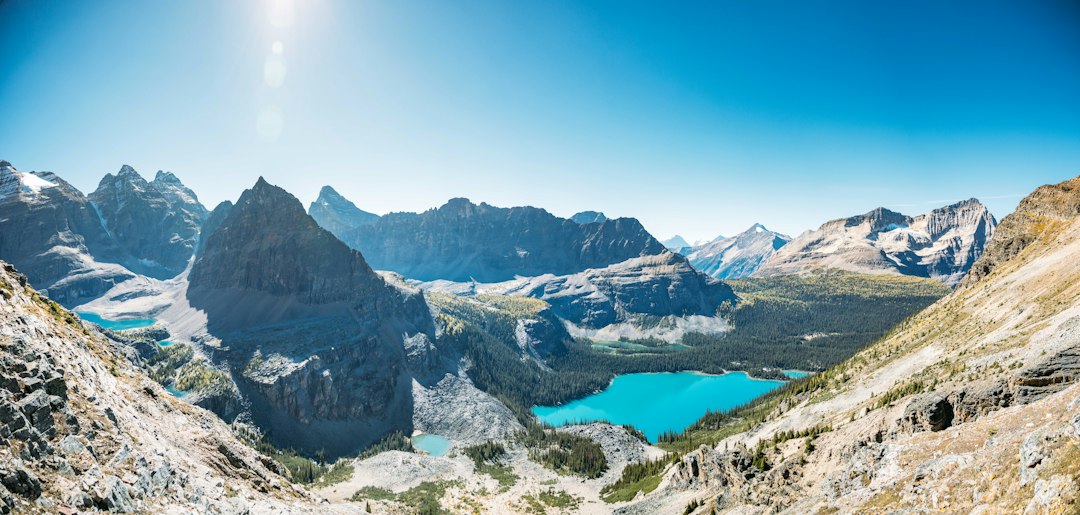
A day hike can be one of the simplest ways to experience a mountain landscape. You do not need an expedition-sized backpack or an ambitious summit goal to enjoy a good trail. A well-chosen route, a little preparation and enough time to look around can turn a few hours outdoors into the highlight of a trip.
For beginners, the key is to choose a walk that matches current fitness and experience rather than the most dramatic route on social media. Mountain conditions can change quickly, and a trail that looks short on a map may involve steep climbs, exposed sections or uneven ground.
Choose a trail that fits your day
Start by looking at distance, elevation gain, estimated time and trail surface. Distance alone does not tell the whole story. A short route with a steep ascent can be more demanding than a longer walk on gentle terrain. Read the route description carefully and check whether the path includes narrow ridges, loose rock, stream crossings or sections where navigation is difficult.
If you are new to hiking, choose a popular, clearly marked route with a manageable elevation profile. A loop can be convenient because it returns you to the same starting point, but an out-and-back trail can be easier to shorten if the weather turns or you feel tired.
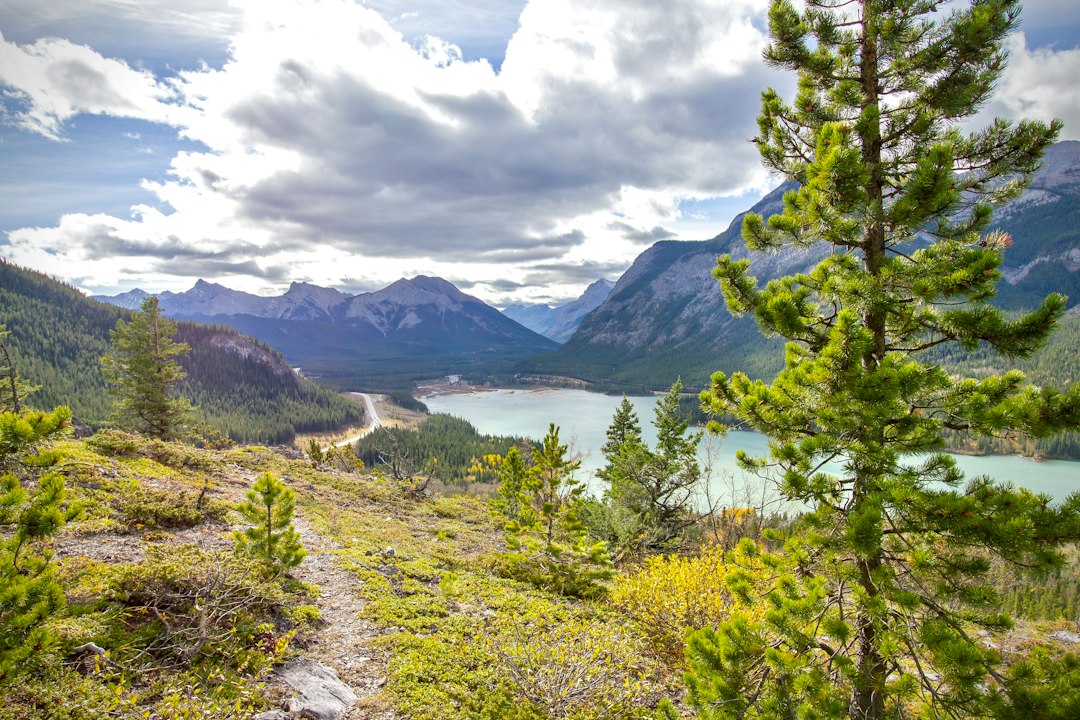
Check conditions before leaving
Mountain weather is not always the same as the forecast in the nearest town. Temperature, wind, cloud, rain and visibility can change with elevation and exposure. Check a reliable local forecast on the morning of the hike and look for trail closures, fire restrictions or other alerts.
Think about daylight as well. Set a realistic turnaround time and avoid starting so late that you have to hurry back. If conditions are worse than expected, choose a lower route or postpone the walk. Changing plans is a sensible part of outdoor travel, not a failure.
Wear footwear and layers for the terrain
Comfortable shoes with good grip are more important than expensive specialist equipment on an easy trail. The right choice depends on the surface and weather: sturdy trail shoes may suit a maintained path, while rough or rocky terrain may call for more supportive footwear. Avoid testing brand-new shoes on a long walk.
Dress in layers so you can adjust to changing temperatures. A light waterproof layer, warm mid-layer and sun protection are useful in many mountain environments. Even on a bright morning, wind or cloud can make exposed viewpoints feel much colder.
Carry the essentials
Bring enough drinking water and food for the length and difficulty of the route, with a little extra in case the walk takes longer than planned. A small first-aid kit, charged phone, offline map, headlamp, sun protection and a warm layer can be useful even on a short outing.
Do not rely entirely on mobile coverage. Download the route in advance and consider carrying a paper map or another navigation backup if the area is remote. Let someone know where you are going and when you expect to return, particularly if you are hiking alone.
Set a pace you can maintain
Start slowly, especially on the first climb. Short breaks help you drink water, adjust clothing and enjoy the view. If you are hiking with other people, agree on a pace that works for the least experienced member of the group. The goal is to finish comfortably, not to turn a scenic day into a race.
Watch how you feel as the route progresses. Fatigue, dizziness, unusual shortness of breath or changing weather are reasons to pause and reassess. Turn around if continuing no longer feels safe. A summit or viewpoint will still be there another day.
Respect the trail and the landscape
Stay on marked paths, close gates behind you and avoid disturbing wildlife. Pack out food wrappers and other rubbish, and do not take plants, rocks or cultural objects from protected areas. Keep noise low and give other walkers space, especially on narrow sections.
In popular parks, parking, permits or timed-entry arrangements may apply. Check the destination’s official information before setting out. Our national park road trip guide explains why checking local conditions and planning realistic distances makes a difference.
Make the hike part of a bigger trip
A mountain walk does not have to occupy the whole holiday. It can fit into a road trip, a weekend in a gateway town or a longer outdoor itinerary. Choose accommodation that makes the trailhead accessible, keep the day before the hike relatively light and allow time afterward to eat and recover.
Know when to turn back
Before starting, choose a turnaround time based on daylight, weather and the route’s difficulty. Do not wait until you are exhausted to make the decision. If clouds build, thunder approaches, the trail becomes icy or visibility drops, heading back early is often the safest choice. A planned turnaround point also helps a group avoid pressure to continue simply because someone has already invested time in the climb.
Pay attention to trail markers and junctions. If the route no longer matches your map or you are unsure where the path goes, stop and confirm your location rather than continuing in the hope that the trail will become obvious. Keep the group together and agree on what to do if someone needs a rest or cannot continue.
Hike with other people thoughtfully
When walking with friends, choose a route that suits the least experienced person and agree on the pace before setting off. Let faster hikers wait at safe junctions rather than allowing the group to become separated. If you are hiking alone, tell someone your route and expected return time, and let them know when you are safely back.
On narrow paths, give uphill hikers room where appropriate and step aside only where it is safe to do so. Keep dogs under control where they are permitted, and check local rules before bringing a pet into a protected area. These small courtesies make busy trails more pleasant for everyone.
Recover after the walk
Once you finish, take time to cool down, drink water and eat something. Check your feet for hot spots or blisters before they become painful, and change out of wet clothing if needed. If you have another hike planned the next day, choose a shorter route or allow time for recovery rather than assuming every day needs to be equally ambitious.
Learning to hike well is mostly about building good habits. Start with manageable routes, notice how your body responds and gradually develop confidence. A successful first hike is one that ends with energy to spare and a desire to return to the trail.
For more inspiration, explore the Adventure & Outdoors section and our broader travel guides. The best beginner hike is one that leaves you wanting to explore again: prepared, comfortable and curious about the next trail. For more landscape inspiration, see Travel on a Cloud’s Iceland waterfalls and landscape guide.
