A great American road trip is not simply a list of famous viewpoints connected by miles of highway. It is the rhythm of the journey: a quiet morning drive, a short trail that turns into an afternoon outdoors, a small town worth stopping in, and enough breathing room to enjoy the landscape instead of racing through it.
National parks make memorable anchors for that kind of trip. The challenge is choosing a route that fits the time you have, understanding the conditions at each park, and resisting the temptation to squeeze too much into one itinerary.
Start with a region, not a giant wish list
The United States has an extraordinary range of protected landscapes, but distances can be deceptive. A map may make several parks look close together while the actual drive involves mountain roads, limited services or long stretches between towns. Choose one region first, then build a route around two or three main stops.
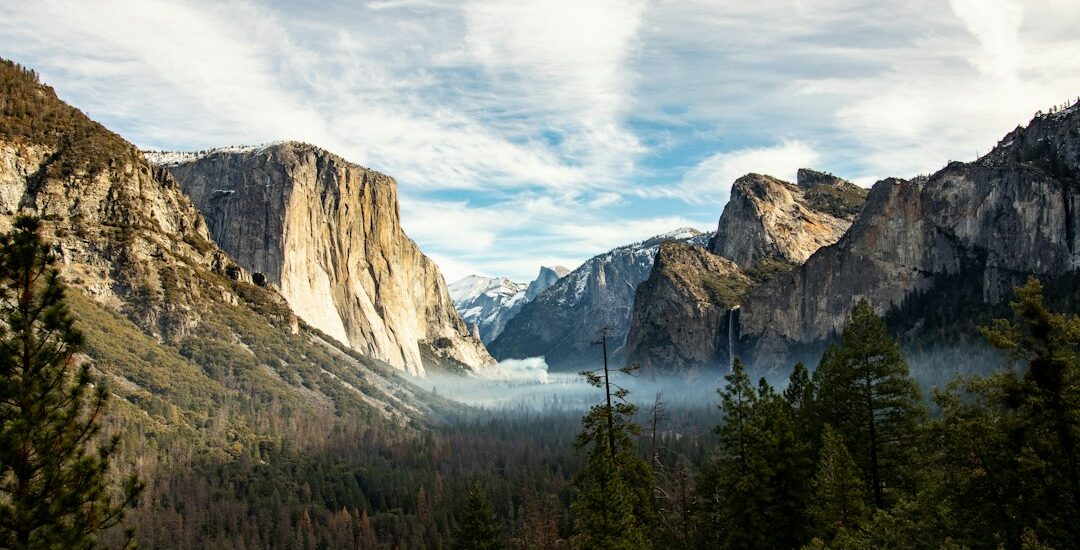
For a first western itinerary, you might focus on a single cluster of parks rather than attempting to cross multiple states in a week. In the Southwest, desert scenery, canyon country and high plateaus create a varied journey. In California and the Sierra Nevada, forests, granite peaks and alpine lakes offer a different kind of road trip. The best route is the one that leaves enough time to experience each place.
Give every park more than a quick stop
Before booking accommodation, look at what you actually want to do. A park known for scenic overlooks may be enjoyable in a day, while a destination with longer trails, multiple districts or seasonal road closures can easily fill several days. Consider sunrise and sunset viewpoints, accessible trails, ranger-led programs and quieter areas away from the busiest entrances.
Check the official park information close to your travel date. Road access, shuttle operations, campground availability, timed-entry rules and trail conditions can change. The National Park Service’s travel tips and planning guidance is a useful starting point, but always open the individual park’s Plan Your Visit page for current details.
Book the essentials, keep the days flexible
Accommodation near popular parks can fill early, especially during school holidays and peak summer periods. Decide which nights need to be reserved in advance and where you can keep a little flexibility. Staying inside a park can save driving time, while nearby gateway towns may offer a wider choice of restaurants and lodging.
Build a simple daily plan with one main activity and a couple of alternatives. If a trail is closed or weather changes, you will have another option without having to redesign the whole trip. Avoid scheduling a demanding hike immediately after a long transfer day.
Prepare for the distances and the conditions
Do not assume that fuel, groceries, mobile coverage or restaurants will be available whenever you need them. Fill the tank when practical, carry water, bring snacks and download maps for areas where reception may be limited. Check the vehicle’s condition before departure and understand whether your route includes unpaved roads or steep grades.
Weather can vary sharply with elevation and season. A warm afternoon in a desert town does not guarantee comfortable conditions at a high-elevation trailhead. Pack layers, sun protection and footwear suited to the activities you have chosen.
Travel with care in protected landscapes
Stay on marked routes, observe closures and give wildlife plenty of space. Leave natural and cultural features where you find them, pack out rubbish and follow local fire restrictions. These habits protect the places that make the journey special and help keep visitors safe.
Make the drive part of the experience
Some of the best memories happen between major stops: a roadside market, a historic main street, a local diner or an unplanned viewpoint. Leave space for those discoveries. If you are also planning a city break, our travel and destination guides can help you think beyond the national park portion of the trip.
Build a route with sensible driving days
When you sketch the itinerary, estimate the time behind the wheel as carefully as the time spent on trails. A route that looks manageable on a map can become tiring when it includes winding mountain roads, entrance queues, roadworks or stops for fuel and food. Try to avoid moving accommodation every night. Two or three nights in one base can make a region easier to explore and reduce the amount of packing and unpacking.
It also helps to distinguish between a travel day and an exploration day. On a travel day, choose one modest stop rather than planning a long hike and several viewpoints after hours on the road. On an exploration day, leave the car parked when possible and use park shuttles, walking routes or local transport if available. This creates a more relaxed rhythm and makes the trip safer for the driver.
Choose the right season for the experience
There is no single best month for every national park. High-elevation roads and trails may remain snow-covered well into the year, while desert parks can be extremely hot during summer afternoons. Shoulder seasons can offer pleasant temperatures and fewer visitors in some places, but services may operate on reduced schedules. Research the climate and seasonal access for each park on your route rather than relying on a general regional forecast.
Think about what matters most to you. If your priority is hiking, comfortable daytime temperatures may be more important than long daylight hours. If you want to photograph alpine scenery, check when seasonal roads typically open. If wildlife viewing is a priority, learn when animals are most active and keep a respectful distance.
Make a simple backup plan
Before leaving, save an alternative activity for each major stop. A short nature walk, visitor centre, scenic drive or nearby town can make a worthwhile day when storms, smoke, closures or fatigue change the original plan. Keep reservation details and emergency contacts accessible offline, and tell someone your broad route if you are travelling through remote areas.
Good preparation does not remove spontaneity; it gives you the confidence to adapt. With realistic driving days, season-aware planning and a flexible alternative, a national park road trip becomes less of a race between famous places and more of an experience shaped by the landscape.
A rewarding national park road trip is less about covering the greatest distance and more about finding a pace that suits the landscape. Choose a manageable region, check official conditions, prepare for remote stretches and leave room for the unexpected. The open road will take care of the rest. For another landscape-focused journey, explore Travel on a Cloud’s Iceland waterfalls and landscape guide. If you are extending the trip with a city stay, our New York City neighborhood guide offers a useful way to plan your days.