

New York City can feel overwhelming on a first visit. The landmarks are familiar from films and photographs, but the city itself is much larger and more varied than any highlight reel suggests. The easiest way to enjoy it is to think in neighborhoods rather than trying to cross the entire city several times a day.
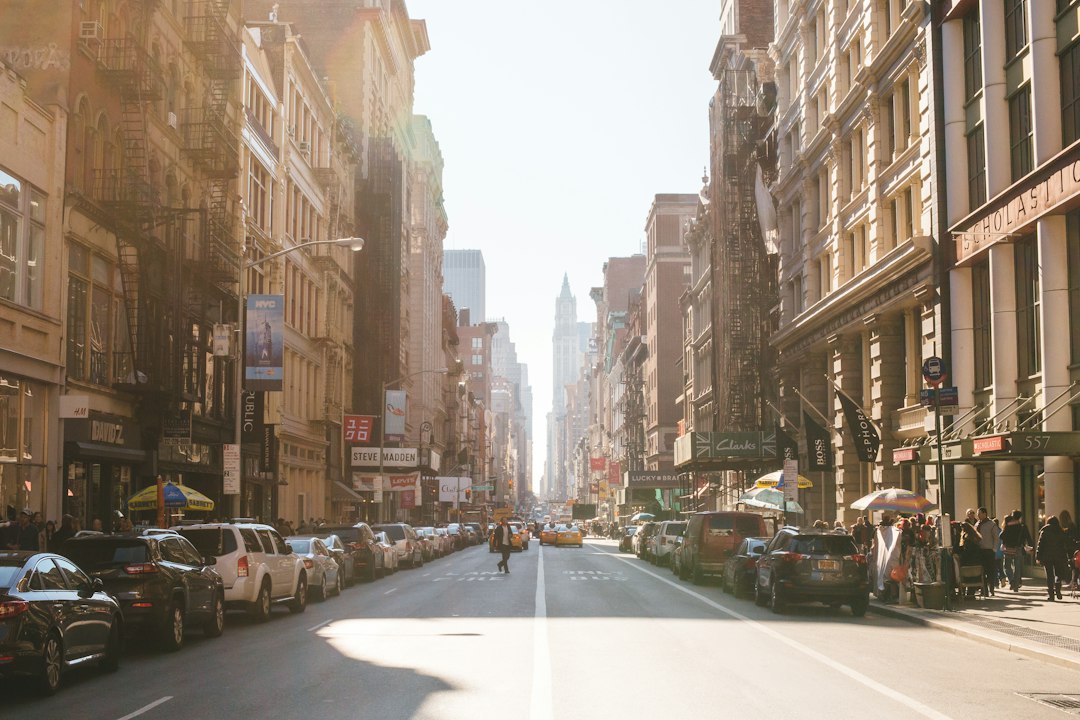
Each area has its own pace. Some are best for first-time sightseeing, others for food, galleries, parks or an evening walk. Pick one main neighborhood for the morning and another nearby area for the afternoon. You will spend less time commuting and more time noticing the details that make New York distinctive.
Midtown for the classic first visit
Midtown is a practical starting point if this is your first time in the city. It puts many well-known sights within reach, including the theatre district, major shopping streets, Rockefeller Center and the area around Grand Central Terminal. The energy is unmistakably New York, although the busiest blocks can be crowded throughout the day.
Go early if you want photographs around the major plazas, then step away from the busiest avenues for coffee or a slower walk. Midtown works well as a first-day orientation, but it should not be the only part of the city you see.
Lower Manhattan for history and waterfront views
Lower Manhattan combines historic streets, civic landmarks and views across the harbor. It is a good area for visitors who want to understand how the city developed as a port and financial center. Walk at street level rather than treating the district as a quick collection of photo stops; the older street pattern and changing architecture are part of its character.
Allow time for the waterfront and check opening arrangements for any museum or memorial you plan to visit. Reservations and security procedures can vary by attraction.
Greenwich Village and the West Village for a slower pace
These neighboring areas are ideal for wandering without a rigid checklist. Tree-lined streets, small parks, cafés and independent shops make them feel different from the high-rise corridors farther uptown. It is a rewarding place to leave the map in your pocket for a while, although a little planning helps if you have a particular restaurant or performance in mind.
Chelsea and the High Line for art and architecture
Chelsea offers galleries, food markets and access to the High Line, an elevated public park built on a former rail line. The walk is an experience in itself, with changing views of the city and the buildings that frame the route. Pair it with nearby galleries or the waterfront rather than trying to fit several distant attractions into the same afternoon.
Brooklyn for another perspective
Brooklyn is not a single day trip or one uniform neighborhood. Areas such as DUMBO, Brooklyn Heights and Williamsburg each have a different feel. DUMBO is known for waterfront views and converted industrial spaces; Brooklyn Heights offers quieter residential streets and a celebrated promenade; Williamsburg brings a lively mix of food, shops and nightlife.
If you cross the Brooklyn Bridge on foot, check the weather and allow time to enjoy the walk. It is more pleasant when treated as an activity rather than simply a shortcut between two points.
Plan days around clusters
A practical first visit might pair Midtown with Central Park on one day, Greenwich Village with Chelsea on another, and Lower Manhattan with a waterfront walk on a third. Add Brooklyn when you have enough time to explore it properly. This approach reduces unnecessary subway journeys and leaves room for meals, breaks and unexpected discoveries.
Use public transportation for longer distances, but walk when neighborhoods are close together. Comfortable shoes matter more than an overpacked schedule. If you are visiting during a busy season, reserve popular attractions ahead and confirm their current hours before setting out.
Look beyond the famous corners
The best New York memories are not always the biggest attractions. They might be a neighborhood bakery, a small bookshop, a street musician or a park bench with an unexpectedly good view. Leave time for those moments and let each district reveal itself at its own pace.
Use the subway as a connector, not the whole experience
The subway is usually the most efficient way to cover longer distances, but it is worth understanding the basics before you travel. Check the route and direction, allow extra time when changing lines, and confirm whether planned maintenance affects your journey. A station entrance can serve only one direction at some intersections, so look at the signs before going downstairs. Contactless payment and transit cards make regular journeys easier, but check current fare and payment guidance before your visit.
For short distances, walking often reveals more than taking another train. A route between two nearby districts may pass small parks, independent shops, cafés and interesting architecture that would otherwise be missed. Download an offline map and keep your phone charged, particularly on long sightseeing days.
Plan around opening times and reservations
New York attractions do not all operate on the same schedule. Museums may have late openings on selected days, observation decks can use timed tickets, and some popular restaurants require reservations well in advance. Check official websites close to your travel date rather than relying on old travel articles for opening hours or admission rules.
Group timed activities with nearby places. If you have a morning ticket for a museum, explore its surrounding neighborhood afterward instead of crossing town for a single short stop. Keep a little buffer between reservations so a delayed train or a longer-than-expected visit does not disrupt the whole day.
Find quieter moments in a busy city
New York is energetic, but a first visit does not need to be nonstop. Start early for a quieter walk, take a break in a neighborhood park and choose one evening without a fixed plan. Central Park is large enough to reward a focused visit; choose a particular entrance or area rather than attempting to cover the entire park in a short window.
At night, think about the route back to your accommodation and use well-lit, familiar streets and reliable transport. Keep valuables secure in crowded areas and stay aware of your surroundings without letting practical precautions dominate the trip. The most satisfying city itinerary balances iconic sights with ordinary neighborhood life, leaving enough energy to enjoy both.
For more ideas on planning trips around experiences rather than checklists, browse the American Herald travel section. A little structure helps, but the city is at its best when you leave space to explore. For another walkable historic city, read Travel on a Cloud’s guide to Kyoto’s historic streets. For another kind of American getaway, see our national park road trip guide.