
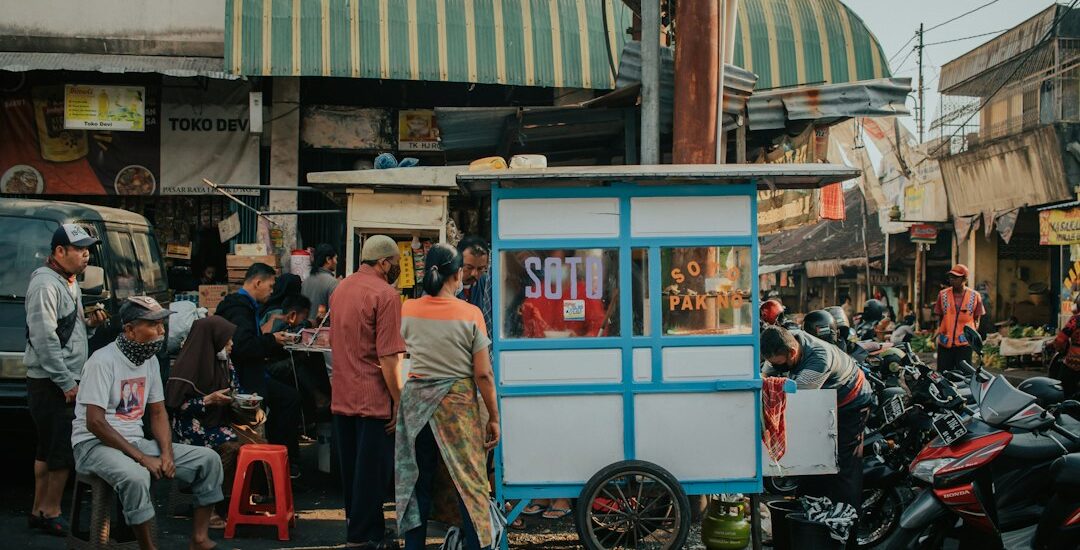
Food is one of the easiest ways to understand a place. A market breakfast, a family-run lunch counter or a dish that appears on nearly every neighborhood menu can reveal something about local ingredients, daily routines and the way a community gathers. You do not need to be a serious foodie to make eating part of the journey; curiosity is enough.
The most rewarding food experiences often happen away from the most photographed dining rooms. They might be found in a busy market before lunchtime, a bakery opening its doors in the morning or a modest café where regulars know exactly what they want.
Start with everyday food
Instead of searching only for famous restaurants, notice what people eat during an ordinary day. Look for breakfast stalls, lunch counters, neighborhood bakeries and markets that serve the surrounding community. These places can offer a more useful sense of local food culture than a long list of tourist-oriented venues.
Ask accommodation staff, local guides or shopkeepers what they like to eat nearby. Specific questions usually work better than asking for the “best restaurant” in a whole city. Try asking where they would go for breakfast, a quick lunch or a dish that is closely associated with the area.
Visit a market with time to look around
Markets are excellent places to see ingredients and food traditions in context. Notice which produce is in season, how vendors prepare ingredients and what people buy for meals at home. Some markets are mainly wholesale or operate at particular hours, so check local opening times and be mindful of busy working areas.
Take a slow first lap before deciding what to try. You may discover regional fruit, unfamiliar spices, fresh breads or small snacks that are easy to carry. If you want to photograph vendors or their stalls, ask permission first and avoid blocking customers.
Try a signature dish, then follow your curiosity
Every destination has dishes that visitors are encouraged to try, but a signature meal is only a starting point. Ask what people eat at home, which ingredients are seasonal and whether the same dish changes between neighborhoods or regions. Food is rarely as uniform as a menu description suggests.
In Indonesia, for example, a bowl of soto can vary from one region to another through its broth, herbs, toppings and accompaniments. The dish is familiar in name but different in expression, which makes it a useful introduction to the country’s varied food traditions.
Balance planning with spontaneity
It is sensible to save a few restaurants or food experiences before a trip, especially if reservations are needed. But avoid filling every meal slot. Leave room to follow a recommendation, stop at a market or return to a place you enjoyed.
If you have dietary requirements, allergies or food restrictions, learn how to explain them clearly in the local language where possible. Ask about ingredients and preparation rather than assuming a dish is suitable from its name alone. When a kitchen cannot confirm what is in a dish, choose another option.
Be thoughtful about hygiene and food safety
Look for food that is freshly prepared and served at an appropriate temperature. At busy stalls, observe how ingredients are handled and whether cooked food is kept separate from raw items. Drink water from sources you trust and take extra care with ice or uncooked foods if you are unsure about local conditions.
Food safety does not need to make a traveler anxious. Use common sense, pay attention to how a place operates and choose venues where food turnover is steady. If you have a serious allergy or medical dietary need, communicate it before ordering.
Respect local customs at the table
Eating habits are part of culture. In some places, meals are shared from central dishes; in others, there are particular ways to order, pay or show respect to hosts. Watch what people around you do, ask politely when you are unsure and avoid treating unfamiliar customs as a spectacle.
Dress appropriately when food experiences take place at religious or community sites, and be especially considerate during ceremonies or family gatherings. If someone offers hospitality, a sincere thank-you is often more meaningful than trying to document every moment.
Choose food experiences that support local communities
Independent cafés, family-run restaurants, market vendors and locally owned food tours can help keep spending within the destination. Look for operators who explain where ingredients come from and treat workers and suppliers respectfully. A polished experience is not automatically more authentic than a simple meal prepared with care.
When joining a food tour or cooking class, consider the group size, the knowledge of the host and whether the activity offers a fair exchange for participants and local businesses. Good experiences create a connection rather than simply moving visitors from one tasting stop to another.
Keep a small food journal
Write down the names of dishes, ingredients and places you enjoyed. A quick note can help you remember what you ordered and why it stood out. It can also become a useful resource when friends ask for recommendations after the trip.
Ask better questions when ordering
A little curiosity can make a meal more memorable. Ask which dishes are prepared fresh, what ingredients are local or seasonal, and whether a portion is intended for sharing. If a menu is unfamiliar, ask the server to describe the texture, cooking method and typical accompaniments rather than choosing only by a translated name. Be patient when there is a language barrier and use a translation app as a support, not as a substitute for listening.
It is also useful to understand local meal times. In some destinations, popular kitchens open early and close between lunch and dinner; in others, evening dining starts later than visitors expect. A quick check of local customs can help you avoid arriving when a kitchen is closed or ordering a dish that is not usually served at that time.
Remember that food is part of a living culture
Recipes change across families, neighborhoods and generations. Avoid expecting every version of a well-known dish to match a single photograph or restaurant description. Notice the ingredients and techniques, but also the setting: who gathers for the meal, how food is shared and what role the market or café plays in everyday life.
Leave a fair payment, follow the venue’s ordering customs and thank the people who serve you. When you share recommendations afterward, describe what you enjoyed without presenting one meal as the only authentic version of a local cuisine. That approach keeps the experience open-minded and respectful.
Food gives travel a human scale. It connects a visitor to markets, family routines, regional ingredients and the people who prepare meals every day. Pair a little research with an open mind, be respectful at the table and allow the destination to surprise you. For more ways to plan meaningful trips, browse our Travel & Destinations and Lifestyle & Experiences sections.
